

|
|
Home » Practical
Information » |
Our thank to Olivier Rula for all his help with updates on this page in October 2008! The processes of obtaining proper documentation to live
and work in Indonesia can seem like an endless maze of bureaucracy. Lack
of posted regulations, irregular application of existing regulations,
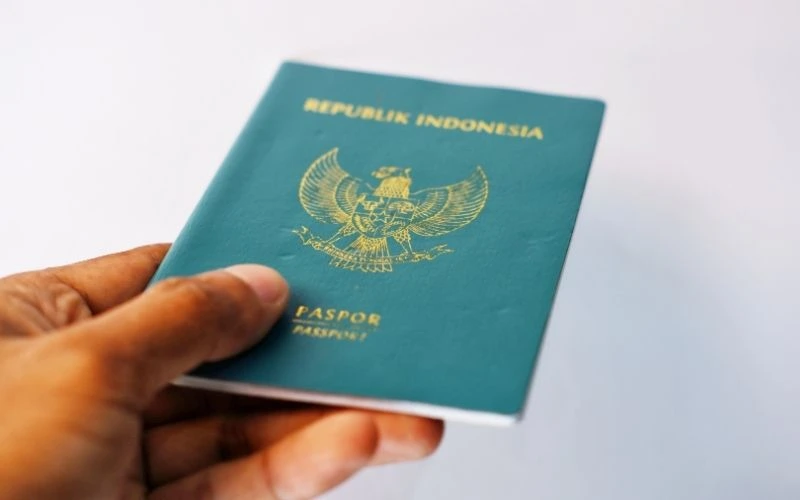
vested interests and other This review of the necessary documents should help to clarify some of the questions newcomers may have about the various documents required. PassportsPassports for your family members are issued by a passport office from your own country. While your government may allow children to follow on their mother's passports, it is better to have separate passports for every family member, just in case separate travel is required. In order to apply for a KITAS visa to Indonesia, your passport must be valid for:
If your passport is nearing expiration, we recommend you renew it to the maximum time allowable before you begin procedures to apply for an Indonesian work permit and visa. You do not want to have your sponsoring office go through all the paperwork of getting your visa and work permit, only to have to repeat the procedure after six months because your passport has expired. Company SponsorshipCompany sponsorship is required as a FIRST STEP in order for a foreigner who wants to work in Indonesia to be issued a work permit/visa. This sponsorship is required BEFORE a semi-permanent visa and work permit can be processed. RPTKA (Expatriate Placement Plan)The Indonesian government has strict guidelines on what foreign expertise is required for the development of the country. These guidelines determine who can be issued work permits. See Employing Expatriates for other info. National, multinational or joint venture firms must submit a manpower plan to Depnaker (Article 42 Manpower Act number 13 year 2003, Download detailing their annual foreign labor requirements. Foreigners can only get a limited stay visa/permit and a KITAS card if they already have been issued a TA01 recommendation (from the Manpower Department if the company is a domestic company; or from BKPM/Investment Board Department if the employing company is a foreign investment company, a so-called PMA company). A TA-01 is based on an approved Expatriate Placement Plan (RPTKA). The IMTA ( Ijin Mempekerjakan Tenega kerja Asingor "Work Permit" is the authorization given to a company to employ a foreigner. If a company wants to employ foreigners, the company must submit an Expatriate Placement Plan, RPTKA - Rencana Penempatan Tenaga Kerja Asing- to the Manpower Department if the employing company is a domestic company; or to the BKPM (Investment Coordinating Boardif the company is a foreign investment company. In foreign investment/PMA companies, work permits for senior positions (such as Directorheld by foreigners are for three years and can be renewed just before expiration. (Note: Director's positions held by foreigners is only applicable for foreign investment/PMA companies). Other position slots in the RPTKA are only for one year and can be renewed annually, usually up to a fixed number of years. Based on the approval of the RPTKA (Expatriate Placement PlanATA-01 is issued, and then a work permit, Izin Kerja Tenaga Asing (IKTAis issued by the Manpower Ministry (Departemen Tenaga Kerja or Depnakerafter your arrival and the issuance of the KITAS card and have paid your annual DPKK. For more detailed information on the process, please see Employing Expatriates in Indonesia. DPKK Tax/FeeCompanies employing foreigners are charged $100/month (US$ 1,200/yearper expatriate employee to offset the costs of training Indonesian nationals (Article 47 Manpower Act number 13 year 2003, Download). This tax is administered through the Department of Manpower. Proof of payment of the Skill & Development Fund (DPKKfee to the BNI '46 bank for one year in advance, amounting to US $1,200 (non refundable), and is needed before a Work Permit can be approved. For positions other than Directors, a foreigner's expertise must be proven, as government regulations limit the employment of foreigners in Indonesia to 'experts'; which can contribute to the national development. Due to the high unemployment rate of nationals, it must be proven that the expertise of a foreigner can not actually be supplied by a national instead. A few years ago the manpower plans were issued for three years, so annual renewals could be completed relatively quickly. More recently, manpower plans are only approved for one year. When a company's manpower plan is approved, a certain number of slots for positions held by foreigners are approved by Depnaker. If a firm wants to add another foreigner to its staff, they must go back to Depnaker and revise their manpower plan and wait several months for approval. It is not always easy for a firm in Indonesia to hire a foreigner and involves considerable expense and dealing with bureaucracy. Deportations of foreigners for 'abusing' their work permits is not uncommon. The usual offense is that the person is working in a position other than what is allowed by the work permit. If your work permit says you are the Production Director ... and your business card says you are the Managing Director - those are grounds for deportation due to abuse of work permit. Another problem is caused when the declared address of work on the IMTA differs from your actual work location. If it does not match, this could void the IMTA and put the employee at risk of a deportation. BEWARE and be cautious about what you put on your business card - make sure it agrees with your work permit! One common misconception is that the IMTA belongs to the expatriate employee, actually they are issued to the company, NOT to the foreign worker. If a foreign worker loses his job, he is not entitled to work for any other company without processing a new IMTA, even if the previous IMTA still has validity. This very common misconception leads expats to think that they have a work permit - they don’t - the company has it! A work permit issued for a foreigner does NOT entitle their spouse to work as well. A “dependent spouse” must obtain their own sponsor and work permit in order to work in Indonesia. This can be done, but depends on the demand for their expertise. Many working spouses find the transition difficult as they are used to working. There are, however, many opportunities for worthwhile and meaningful involvements in community and educational organizations and opportunities for everyone to hone new skills during their time in Indonesia. |
TA01 RecommendationAfter the RPTKA has been approved, the TA01 recommendation has to be applied for at the Department of Manpower in order to get a temporary residence visa. The original approval letter on the TA01 recommendation will be needed to apply for the VITAS or VBS (Visa Tinggal Terbatas). The RPTKA & TA01 recommendation are only necessary for foreigners working in Indonesia. Dependent family members; accompany spouse and children up to 17 years old will be under the sponsorship of the working spouse. Dependent family members are only entitled to stay with the working spouse/parent - this visa does NOT entitle them to work. If a spouse is also working in Indonesia he/she will have to apply for a separate Work Permit and independent Stay Permit from their sponsoring company. For more information, see the Manpower Act of 2003. Indonesian VisasTo read the Indonesian government's description of the various visas, see Consular and Visa Services on the Foreign Ministry web site. http://www.deplu.go.id/ List of Most Common Immigration Fees (9/2008as per Peraturan Pemerintah nomor 19 tahun 2007Visas
2.Izin Keimigrasian
3.Izin Masuk Kembali (for KITAS/KITAP holder)
4.Overstay: IDR 200,000 per day Source: Peraturan Pemerintah nomor 19 tahun 2007 - see article IV to IX for immigrations related fees The above fees are the official ones as of 9/2008. If you keep all your papers in order and are up to date with all necessary document renewals and taxes/fees, and follow the proper procedures, then that it is what you will pay if you do the paperwork yourself (in person). Service companies may charge you in between 3 to 10 times the official fees to cover their services. Considering the hassle of dealing with a new bureaucracy in a foreign language, this fee may be worth it. Long-timers who speak fluent Bahasa Indonesia may be able to (and choose tohandle the bureacracy themselves. Vitas or VBS - Limited Stay Visa or Semi-permanent Residence VisaOnce the TA01 recommendation has been approved, the VITAS must be applied for, for the working spouse and his dependent family, at the Indonesian Immigration office in the intended city of residence. Upon approval, the Indonesian Immigration office will send a telex approval to the Indonesian Embassy where the foreigner and his dependent family want to pick up the approval and to get the VITAS/VBS stamped into their passports.
KITAS Card or Limited Stay Permit Card and Blue book/POA or Foreigner RegistrationKITAS Flow Prior to Arrival [ KITAS Flow After Arrival [ When all the paperwork on your Vitas visa is done, you will be issued a Limited Stay Permit - Kartu Izin Tinggal Terbatas, better known as a KITAS card for the working expatriate and each dependent for a one year period. The predecessor to the KITAS was the KIM/S. People still erroneously refer to the limited stay permit as a KIM/S. In order to avoid the risk of losing the original KITAS card and the resulting hassle, many expatriates keep the original at home in a safe place and carry only a photocopy. With your KITAS you will also receive a blue Foreigner's Registration and Change book, commonly referred to as the Buku Mutasi. It's a similar size as a passport. The blue book tracks changes in your immigration status. All changes of address, marital status, new children, etc. need to be notified to the Immigration Office and recorded in this book within a timely period. This is a valuable document and should be kept safely. The KITAS card and blue book allow you to live in Indonesia for one year and may be renewed annually, up to two extensions without having to leave the country. True Cost of KITAS VisaThe cost of the KITAS issuance is Rp 350.000 for a 6 months KITAS, Rp 700.000 for a 1 year KITAS, and Rp 1.200.000 rupiah for a 2 years KITAS (12/09). Advice from one applicant on documents needed to apply for a KITAS without paying any bribes:
Do-it-yourself guide for KITAS renewal for children Permanent Stay Visa (KITAP)Who can apply for a KITAP?Indonesian Law is, in fact, quite clear. But as in many cases in Indonesia, this is more a problem of getting the right text of law with all of its amendments to clearly understand who can apply for to a KITAP. Once you get the right context, everything becomes very clear and the only remaining difficulty is to explain the law to the ones who are supposed to know it: the Immigration officials, who in many cases seem to ignore the law. Once you get past the lower escelons, things are much smoother, because at the higher levels (ie KanWil or DitJen), they know the law regarding KITAP issuance. Concerning KITAP, here are the two main sources that you need to keep in mind: 1. Pasal 49, Peraturan Pemerintah nomor 32 tahun 1994 corrected by its second amendment as stated in the Peraturan Pemerintah nomor 38 tahun 2005:
2. Pasal 72, Keputusan Menteri Kehakiman nomor M.02-IZ.01.10 tahun 1995 corrected by its second amendment as stated in the Peraturan Menteri Hukum dan Hak Asasi Manusia nomor M.01-IZ.01.10 tahun 2007:
This is the article of law which lists the category of KITAS holder that could be entitled to be issued a KITAP. They are:
If your KITAS doesn't fall under any of these categories, then you can not apply for a KITAP. Being a foreign expert is not enough as you can see. For foreigner men married to Indonesian women, if you are not part of the top management, you will have to wait until you stop working and then your Indonesian wife can sponsor you for a KITAS (without having the right to work then). Then after two years, you will be able to apply for a KITAP. However, belonging to one of the above categories is not enough. If you read point (3), it says that the change of status (from ITAS to ITAP) must consider the benefits that this foreigner brings to the nation in terms of national development and must consider the human aspects. This is for the very least highly subjective, and apart for the one belonging to the category e.), f.), g.), h.) and i.) it may well remain a demand without automatic approbation. If your change of status is accepted, you will receive a KITAP which allows you to remain in indonesia for five years - which may be worth all the paperwork hassles. *definition of “retired” is given in Keputusan Menteri nomor M.04-IZ.01.02 Tahun 1998 tentang Pemberian Visa dan Izin Keimigrasian Bagi Wisatawan Lanjut Usia Mancanegara If you think you may qualify or be interested in a KITAP status someday ... be sure to save ALL the documents you receive from the immigration office throughout the years. They may be used in the application for the KITAP to prove long-term residence. Don't EVER expect that the immigration department is going to be able to “pull up your files”! See article Overseas investors may get permanent residency Service Visa (DINAS)Service Visas are given to foreign citizens bearing service passports, on assignment to Indonesia for diplomatic purposes. They are working in Indonesia under official government entities such as UN bodies, aid organizations, etc. Visa Dinas are directly handled by the Indonesian government department who employes the expats and they apply direct to the Sekretariat Negara to process the visa. Private agents are not allowed to handle this type of visa. Visa on Arrival (Izin Kunjungan Saat Kedatangan)Previous decree (in Bahasa Indonesia [doc 45 KB] NEW rulings - effective January 26, 2010 NEW The Visa on Arrival are only intended for tourists who are visiting Indonesia, NOT for expatriates intending to work and live for an extended period of time. These visas will be needed by friends or family coming to visit you during your stay in Indonesia.
The current tourist visa policy cuts the length of stay for visa on arrival from the previous 60 days to 30 days. It is NO LONGER possible to stay in Indonesia more than 30 days on an "on arrival" tourist visa. If you want to stay for 60 days, you must apply for a tourist visa at the Indonesian consular office in your home country. The consular office can issue a 60-day tourist visa. Note: A visa on arrival is not extendable and can not be tranformed in a SosBud visa or any other form of visa. According to Indonesia's bureaucracy, arriving tourists may be asked to produce the following documents (although a return ticket should be enough):
Beware ... of the 30-day counting trap! The way they immigration officials count the 30-day period is: you arrive on the 1st day with, for instance, a 30-day visa, and you must leave on the 30th day (not the 31st or the first of the next month, as you might think). This is actually their policy for how to count the days. and, after getting burned once and learning my lesson, I see their point and follow their definition of 30 days. If you want to stay in Indonesia LONGER than 30 days, you must leave the country and re-enter on a new tourist visa. People commonly fly to Singapore or Timor for this. There is no stipulation on the time you must stay outside Indonesia, in fact, you can return the same day if you want and be issued a new visa upon your arrival in Indonesia. For more information on tourist visas see this website Visa Kunjungan Sosial Budaya or SosBudPersons coming to Indonesia for short term stays, not as tourists and not for business, should apply for another category of visit visa ... the Visa Kunjungan Sosial Budaya or SOSBUD (Social/Cultural Visit Visa at an Indonesian consular office overseas. A letter of invitation/sponsorship from a sponsor in Indonesia (Indonesian citizen or a foreigner with a Temporary or Permanent Resident permit can be a sponsoris required to issue the visa. You should also have a photocopy of their ID card (KTP or KITASto present along with the letter. This visa status is used by persons coming to study, for research, training programs or to visit family members (for example, expat college age children who want to stay longer than a tourist visa would allow). This visa is referred to with the following codes: Multiple Journey Visit Visa - Index D-212 (for
more information) The letter of invitation/sponsorship must: list the full names and addresses of your visitors, their passport numbers, describe the purpose of their visit, principal address(esduring their visit and estimated duration. The letter must guarantee that you will cover all living expenses, transportation costs and any other costs incurred during their time in Indonesia. You might have to include a bank statement to guarantee availability of funds for covering their expenses. They may also have to provide proof of return or onward ticket (onward ticket to any destination booked for a date no later than 6 months after your date of entry into Indonesia -max. stay of the sosbud. An onward ticket means any plane, boat or bus ticket for any destination outside Indonesia.Best to provide them with mutiple original copies of this letter for possible paperwork hassles. So, in list form, you need: - a letter of sponsor which invites to stay in Indonesia. Visa extension are granted for 30 days each. You can extend your sosial budaya visa up to 4 times for a total maximum stay of 180 days. The two first extensions will be granted by your Kantor Imigrasi, while the two last will require a prior approval from the Kantor Wilayah before issuance by the Kantor Imigrasi. Each extension has a legal fee of Rp 250.000. They may ask you to buy the forms for anything between Rp 10,000 to 30.000. Though this last fee has no legal basis, it is customary. Extensions are not guaranteed. You can only submit a “permohonan” (request). However, if you do follow the procedures carefully, you will minimize the chance of a refusal. If they decide to refuse it (they may threaten you with that in order to get some additional money from you), ask your sponsor to request a Surat Keterangan Penolakan remitted to him, stating the reasons why the immigration department refused the extension. This is the law; they must list the reasons why they refused you the extension. If they do refuse, go with your sponsor to the Kantor Wilayah and ask to talk to the Kepala Bidang Keimigrasian. If you have initiated the procedure of the extension no later than 7 days before the expiration of your visa, if you have submitted all of the requested documents, if you don't do anything illegal (working), if you have submitted a copy of your onward ticket, and if you have proven that you or your sponsor have enough money to pay for your expenses, the Imigrasi usually won't risk your sponsor filling a complainit to the Kantor Wilayah (district office). Regulations necessitate a 3-working day processing for these visas in Singapore, Bangkok, or your home country ... but from some reports, this process only takes ONE working day in Kuala Lumpur. Whereever you choose to process the application, be sure to allow the correct amount of timetime. Some expats have reported to us that 'facilitating agencies' can in fact still process visas in one working day in Singapore, and that the staff in the Consular section at the Singapore embassy can refer you to these companies. Of course, the fees are significantly higher than the usual method. List of Visa Agents for Indonesia in Singapore Don't forget also to get a STMD (Surat Tanda Melapor Diriif you're planning to be in Indonesia and staying in a private house. The STMD is a resort report acknowledging your residence, which is issued by the resort police office nearest your residence. The information required is mostly from your passport and includes arrival date, departure date, etc. Their is no fee, but a small tip may help expedite the process. Your host has to report you to the police in the 24 hours of your arrival. After the six months has past, you have to leave the country, obtain a new visa, and the same procedure starts again. The longer you stay the more difficult it can become to have your visa extended as immigration officials may become increasingly suspicious about your activities in Indonesia. They may refuse to accept your sponsor and may ask you to leave the country almost immediatly (perhaps granting you one additional extension only). A social-visit visa is not the best option for a longer term stay, but apart from the KITAS/KITAP, there is no other option. SAVE money ... on visa runs through Batam Sample Letter to request a SOSBUD Visa (for expat spouse of an Indonesian) Sample Letter to ask for an extension to a SOSBUD Visa Business VisaAll persons coming to Indonesia for business purposes (as opposed to just as a tourist or to studyare required to obtain a business visa. A business visa does not allow a foreigner to work or be gainfully employed in Indonesia, but only to conduct business negotiations, short term work assignments, or training assignments. If you plan to work in Indonesia for a period of time, you must have a KITAS and a proper IMTA. A single entry business visa can be extended two times after a one-month stay (one month for each extension). If you have a multiple entry business visa (MBV), after a 60-day stay the visa can be extended four times (one month for each extension). You can enter Indonesia as many times as you want in a one year period on the multiple entry business visa, as long as you don't stay more than 60 days on each visit. If you enter on a multiple-entry business visa, you are not required to pay the Rp 1 million fiscal tax upon departure, nor are you required to get an exit permit each time you leave. Please be aware, however, that there may be Indonesian income tax obligations if you are in Indonesia on a business visa for more than 6 months in one year. If you plan to temporarily work in Indonesia for a few months, you must apply for a temporary working visa index 457. Your sponsoring/employing company can apply for it at the Indonesian Immigration office in Jakarta. Upon entry into Indonesia with a temporary working visa index 457, you will get a 60-day visa stamped in your passport at the Indonesian Immigration airport. Within a few days after your arrival, you will have to apply for a temporary working permit at the Manpower Department, but you must first pay the DPKK fee or Skill and Development Fund fee of USD200 to cover your 60 day working period (USD100/month). Overstaying your VisaOverstaying a any type of visa is a serious offense in Indonesia. You will be blacklisted (can not enter Indonesia again for a year or more and fined $20/day for every day you overstayed your visa and then deported once you have paid the fine. The maximum fine for overstaying a visa (more than 60 days is Rp 25 million and 5 years in jail. You will be kept at the immigration quarantine (not a pleasant place! until you have paid the fee and/or the decision has been made to deport you. Please take this seriously as this is not one of those problems that you can easily bribe your way out of. If you inadvertently overstay ... go immediately to the immigration office once you realize it and explain the circumstances. Delaying the report will only make the situation worse. There are only a few 'legitimate' reasons for overstaying your visa ... the main one being that you were ill and in the hospital or unable to travel. Once you realize you will not be able to leave before your visa expires, ask a friend to officially report your illness in writing to the local immigration office so that you officially acknowledge that you have overstayed your legal stay limit. This will lessen the monetary penalties. Don't wait until the immigration catches you! Overstaying is an offense but not a crime. Please don’t do anything inconsiderate with the immigration officials. It's your mistake, not theirs, that you overstayed your visa. For more advice on this subject in a recent Expat Forum thread Repeated Short-term Visas Necessitate Leaving the Country to get a New VisaChoosing (okay it's no one's first choiceto come to Indonesia for short periods on a Tourist or Business visa, and then going to Australia or Singapore to renew your visa ... is quite common. The Indonesian government does not approve of people working on these visas, yet they continue to grant them to people who repeatedly come back to Indonesia after a short trip outside the country. Feedback from some visitors to this site that have been in this situation: “According to Indonesian consular officials, it's perfectly legal to come to Indonesia on a 60-day tourist visa, leave before the end of the sixty days, flying out of Indonesia, then returning on a new 60-day tourist visa. There is no need to pay bribes or any other fees upon arrival in Indonesia.” “Some immigration officers may suspect that you are working in Indonesia without a permit. They just wonder how you finance your living costs (extended holidaysafter having returned for the x-th time to Indonesia. That's why they might ask you some questions. Some officers might go further and try to put you in an embarrassing situation in order to extract bribes from you, or simply asking for some money. It's a psychological game. There is no general answer on how to deal with each kind of such situations. The best results come from staying polite and taking in easy.” Retirement VisaOther Important DocumentsSingle Exit/Re-entry Permit (ERP - Entry Permit - Single Entry)
It is advisable to always have a valid multiple re-entry permit stamped in your passport just in case of the need for an emergency departure, such as illness in a family member back home or a medical emergency for a member of your family in Jakarta or the need to escape an situation of unrest in Indonesia. A single exit/re-entry permit is just that ... you can only leave and reenter the country one time during the duration of the permit. This is all you get if your KITAS will expire within a three-month period. A single exit/re entry permit is valid for:
The cost of a single exit/re entry permit is IDR 200.000 (peraturan pemerintah nomor 19 tahun 2007) Multiple Exit/Re-entry Permit (MERP - Multiple Re Entry Permit)A multiple exit/re-entry permit allows you to leave and reenter Indonesia as many times as needed during the validity of the permit. Permit can be issued for 6 months, 1 year or 2 years. (Peraturan Menteri nomor M.01.IZ.01.10 tahun 2007): Six or 12 month multiple exit/re entry permits can be issued for KITAS holders whose KITAS is valid for 1 year, and a 6 month, 12 month or 24 month multiple exit/re entry permi can be given for KITAS or KITAP holder whose KITAS/KITAP is valid for 2 years. The fees concerning multiple exit/re entry permit, as indicated in Peraturan Pemerintah nomor 19 tahun 2007 are as follow:
It normally takes 2-3 working days to process either the your MERP/ERP and you'll need originals and photocopies of:
If the permit expires and you are out of the country, you will have to go to an Indonesian embassy to apply for a new visa all over again (not another permit). This is NOT advisable! Be prepared :) Sample Letter to request an Multiple Exit-Reentry Permit Final Departure or EPO (Exit Permit Only)When you are reading to leave Indonesia for good you will need to turn in your KITAS, Buku Mutasi (blue bookand Police Book and obtain an 'exit only' permit from the immigration office. After getting the EPO stamped on your passport, a copy of the stamp is needed to apply for cancellation on your SKPPS, SKLD, Work Permit. You must turn in the original documents to each department who issued the permits. Foreigners TaxThe Foreigner's Tax (Pajak Bangsa Asingwas collected for many years by local municipal governments to offset the cost of services provided by the city to foreigners. This tax was abolished in line with the IMF economic recovery plan in 1998. Registering the Birth of a ChildFor foreigners who give birth in Indonesia, it will be necessary to get a local birth certificate before a foreign passport can be issued for your baby. Then, you will need to apply for a limited stay permit (KITAS visafor your baby, if both of the parents are foreigners, which will follow the visa of the working spouse. You will have to first get a Surat Keterangan Kelahiran from the hospital where the mother gave birth. With this document you go to Catatan Sipil (Civil Registry officeto obtain the formal birth Certificate (Akte Kelahiran). Though you should have 60 days to report the birth to the Catatan Sipil (Pasal 27 undang undang 23 tahun 2006 tentang Administrasi Kependudukan), you have ONLY 15 days to do so to the immigration office (Kantor Imigrasi). If the mother or the father are Indonesian, and the baby born after Aug 1st 2006, the baby is automatically an Indonesian citizen. However, you will still have to report the birth to the Kantor Imigrasi, even though the baby is Indonesian (as per law 12/2006 about Citizenship For more information. Pajak Fiskal - Fiscal Tax
UPDATE Effective Jan 1 2009, if you do not have a tax ID number (NPWP) then a new change to the law will increase the airport departure tax from Rp 1 mil to Rp 2.5 mil. If you have a tax ID, you will no longer have to pay the fiskal tax starting on this date. The number on your NPWP card will be checked at the airport and if your number is in the national master file then you will receive the fiscal tax exemption. Here is an explanation of the new Fiskal regulation in Bahasa Indonesia. There a few exceptions - for Indonesians who reside overseas ... when they come back to Indonesia for a visit they are exempt from fiskal tax upon departure up to 4 times a year; diplomats (foreign and Indonesian nationals), those seeking medical treatment abroad, Indonesian nationals on government-sponsored education programs, and children under the age of 21. Fiskal tax is also due and payable on your final departure from Indonesia when you leave with an Exit-Only Permit (EOP) instead of the usual exit-re-entry permit. Save any fiskal tax receipts you pay throughout the year and give them to your accountant when preparing your Indonesian individual tax return. The fiskal tax is actually a 'pre-payment' of income tax due, and as such can be credited against final payroll tax liabilities. One expat accountant wrote us this advice: "This [the information in the previous paragraph] is true, but it might be worth mentioning that claiming this fiscal tax back may (or will) automatically open you up to a tax audit by the Indonesian Tax Office, in which case you will very likely pay many times more in "administrative fees", etc, than the fiscal tax owed to you. Beware!" The government provides for fiscal-free exit for children
under the age of 21. In the Jakarta airport, there is
a tax-free counter (turn left from the incoming door - at the far end
against the wall where you have to file for the exemption. This is at
the opposite end of the hall from where you pay the fiskal tax. You fill
out a one-page form giving details on child's name, address, passport
number, etc. To prevent corruption/bribery at the tax-free counter ...
the official will ask for proof (that you can leave behind that indicates
that the child is truly under 21. Best to bring a photocopy of the child's
KITAS or passport ... showing the birth date. They will want you to give
them the photocopy- so bring one with you! Under the new fiscal tax regulations which took effect on January 1, 2009, dependents under the age of 21 can also be exempted under their parent's NPWP, while children under the age of 12 are still not required to pay the fiscal fee. For a complete explanation of Fiscal Tax (in Bahasa Indonesia see: www.pajak.go.id Actual government regulation on fiskal tax Do not confuse the fiskal tax with the airport tax ... another tax which ranges from Rp 20,000 to Rp 150,000/passenger depending on the airport you are flying from and whether or not your departure is domestic or international (March 2009). See a listing of some domestic airport tax rates SKLD & STM - Police Documents
Failure to report would expose you to a maximum of Rp 5.000.000 fine and a maximum of 1 year in jail as per Pasal 61, Undang-Undang nomor 9 tahun 1992. It is no joke. Though our "expert" never has found any legal basis saying that SKLD bears a LEGAL fee, we have often heard that there is a "Biaya Resmi" of IDR 50K to be paid to MABES POLRI for the SKLD. One doesn't want to fight with MABES POLRI. Just pay it. What is a SKLD?This is a Surat Keterangan Lapor Diri which is Police ID card that any foreigner who has a residency permit (ijin tinggal) is supposed to have. It dipenses you for example to have to carry your passport at all times. Foreigners with KITAP/KITAP are supposed to report in the 30 days of issuance of their Residency Permit and have 7 days to report any change (Pasal 19, ayat 1 dan ayat 2, Peraturan pemerintah nomor 31 tahun 1994 tentang Pengawasan Orang Asing). Reporting to the police as soon as you get your "Ijin Tinggal" would entitle you to nice plastic SKLD card (Pasal 19, ayat 3, Peraturan Pemerintah nomor 31 tahun 1994 tentang Pengawasan orang Asing). The actual regulations read - Pasal 61 - Undang Undang nomor 9 tahun 1992 - Orang asing yang sudah mempunyai izin tinggal yang tidak melapor kepada kantor Kepolisian Negara Republik Indonesia di tempat tinggal atau tempat kediamannya dalam waktu 30 (tiga puluh) hari terhitung sejak diperolehnya izin tinggal, dipidana dengan pidana kurungan paling lama 1 (satu) tahun atau denda paling banyak Rp 5.000.000,- (lima juta rupiah). The STM is a resort police report acknowledging your residence, which is issued by the resort police office nearest your residence. This document must be obtained within 24 hours of the foreigner’s arrival (especially for foreigners who live in Bogor, as that police office is very strict on this regulation). For foreigners living in Jakarta normally the STM only be issued after obtaining a KITAS card from the Immigration office. In Jakarta, the Foreigners' Surveillance (Pengawasan Orang Asing - POA office is located at the Police Department at Jl. Trunojoyo No. 3, South Jakarta, Tel. (62-21721-8037. What is a STM?This is a Surat Tanda Melapor, better known as a Certificate of Police Registration which concerns any foreigner (tourist, visitor, resident, guest of resident, etc), though the foreigner himself is not forced to apply in person. This is a report to the police that states where a foreigner is living and for how long. The Pasal 10, Peraturan Pemerintah nomor 31 tahun 1994 tentang Pengawasan orang Asing reads: Setiap orang yang memberikan kesempatan orang asing menginap di tempat kediamannya wajib melaporkan kepada Kantor Kepolisian Republik Indonesia atau Pejabat Pemerintah Daerah setempat dalam jangka waktu 24 (dua puluh empat jam) sejak tanggal kedatangan orang asing tersebut. This means that the person who gives the foreigner/s shelter (hotel, wife, friend, etc) has to report your residence within 24 hours after your arrival. Here there is no notion of type or duration of stay. The person who provides you accommodation reports to the police. This is a report about one person, giving shelter to a foreigner, to the police. This is not in any way an authorization asking to shelter someone to a particular date. This just means that you don't have to be reported again as long as you don't change your address.
However, if one forgets to report your residence after 24 hours after your arrival, that person will receive the penalties listed in the Pasal 60, undang undang nomor 9 tahun 1992 which says: Setiap orang yang memberi kesempatan menginap kepada orang asing dan tidak melaporkan kepada Pejabat Kepolisian Negara Republik Indonesia atau Pejabat Pemerintah Daerah setempat yang berwenang dalam 24 (dua puluh empat) jam sejak kedatangan orang asing tersebut, dipidana dengan pidana kurungan paling lama 1 (satu) tahun atau denda paling banyak Rp 5.000.000,- (lima juta rupiah). To summarize: - If you are a KITAS/KITAP holder (resident visa), report to the police for SKLD (30 days maximum after the issuance of your Ijin Tinggal) and report any change in your residency within 7 days of its occurrence. Make sure that the person who provides you accommodation (even if it your wife/son or whoever in the family) reports you within the 24 hours and has an STM remitted. You need to do it again only if you change to a new accommodation. - If you are holder of an Ijin Kunjungan or VoA (visit visa), you are only concerned by the STM in the conditions defined above. Travel Permit (SKJ/Surat Jalan)Your company may recommend that you obtain a three-month travel permit, if traveling to other parts of the country, especially outlying areas. Report your residence to your local RTAlthough there is no document required, once you have established yourself in your place of residence you must report your presence to the local Neighborhood Head, the Rukun Tetangga; RT (pronounced err-tay). You will undoubtedly have contact with him in the future regarding various community matters, such as garbage collection and security, so it is important that he knows you have moved into the community. You should keep copies of all your relevant immigration documents at your home (even though some originals may be kept at your office), just incase you are caught in an occasional 'sweeping' check of expat documents. These are relatively routine operations that are conducted periodically and are not necessarily an effort to harass or otherwise inconvenience the foreign community. They are usually checking for people who are here illegally. If you are here legally and your papers are complete and up-to-date, you have nothing to fear. Do be careful, however, about bogus officials wanting to check your documents. You should always ask for a 'surat tugas' which is the letter from their office detailing what they are allowed to do in the field. If they don't have a surat tugas ... it would be wise to not show them anything! Ask them to return once they have the surat tugas. Or, refer them to the working spouse's office for any further needed information on documentation. And by no means pay any bribes to these officials. It would only ensure their repeated return to your place of residence, or encourage them to prey on other unsuspecting foreigners. Again, if you are here legally and have the documents to prove it ... there is nothing to fear. If you are approached or threatened by suspicious persons try to get their names, affiliations and contact numbers. Expat RegistrationThe Indonesian government periodically announces a new regulation wherein all expatriates resident in Indonesia must register with the Immigration Department for an Expatriate Registration number. This is billed as a routine registration of all foreigners living in Indonesia. The last times this registration were held was in 2001 and 1986, though an immigration official told us that there is a regulation that says it must be done every five years. When asked why we need to register when we already have a visa ... the immigration official said that “sometimes foreigners go home and don't tell us ... so this is the only way we can know how many foreigners really live in Indonesia.” He stipulated that the information went to the central immigration office (kantor pusat). If the registration is required again, take your original passport, KITAS/KITAP, Buku Mutasi and two 3 X 4 cm photos to the immigration office that issued your visa ... and fill out their form in duplicate. No need to bring photocopies of anything - just the originals. The whole procedure takes about 15 minutes and is free. For more information You may get a letter from your local kecamatan (district office or RT (neighborhood chiefasking you to register ... this is for the same thing as the immigration's expat registration. SKPPS & SKTT Population DocumentsForeign Individuals who have obtained a work permit and a KITAS are considered
residents, just as citizens are. As such, they must register with the
local municipality's SKTT - Surat Keterangan Tempat Tinggal A Certificate of Place of Residence must be obtained from the Sub-district Office (Kantor Kelurahanin your area. This certificate is necessary in order to register with the Police Department to obtain the Certificate of Police Registration (SKLD). SKPRK - Surat Keterangan Penelitian Registrasi Kependudukan SKPPS - Surat Keterangan Pendaftaran Penduduk Sementara (Certificate of Registration for Temporary Resident) The newly passed Law No. 4/2004 on Population and Civil Registration is is NOT being carried out yet as the Population & Civil Department of DKI Jakarta (Suku Dinas & Kependudukan DKI Jakartais still waiting for approval of the "Petunjuk Pelaksanaan & Petunjuk Tehnis" (technical & implementation procedures). Basically what that means is the law has been passed, but they don't know how to implement it yet. An official has said that Law No. 4/2004 will be substitute and perfect of the current SKPPS (Certificate of registration for temporary resident). Until the procedures have been passed, the current SKPPS is still required. Kartu KeluargaBeginning in 1998, foreigners holding a KITAP visa (Permanent resident are able to obtain a Kartu Keluarga WNA (family card for foreigners), model number OS-01B. This Kartu Keluarga enables you to apply for a KTP Warga Negara Asing (Foreigners ID card). With this KTP WNA, you can apply for a 5-year driver’s license. See more information about the importance of Kartu Keluarga for families of mixed Indonesian-foreign marriages. Drivers License and Vehicle RegistrationPlease refer to Making a Driver's License for information on these documents.TV TaxEvery television owner in Indonesia is required to pay a monthly TV tax. The tax collector will come to your home and should have some kind of identification card authorizing him to collect the fee. The fee is based on the size of your TV and is minimal. This tax is meant to cover the operating costs of the national television station, TVRI, since it does not have advertising revenue. A small booklet will be issued to you after payment of the tax, and tax stamps will be put in the book depending on your payment.Certificate of Good Conduct from PoliceIf subsequent visa applications after your stay in Indonesia will require a Certificate of Good Conduct: Indonesian Police Certificates and Security Clearances ... find out more about how to obtain those here. Agents/Biro JasaThere are a plethora of agents which can assist you in obtaining your documentation. They range from scam artists to small time operators who have a cousin who works for immigration to legitimate businesses. Be extremely wary of the claims of an agent who doesn't come highly recommended from friends or colleagues. Look at the classified listings in the Jakarta Post for names of agents. Tell them you are shopping around to compare prices and that should bring their prices way down. The danger is not only that the agent will charge you an excessive amount for his assistance, but that he will complete the documentation incorrectly. This could, needless to say, cause you numerous difficulties in the future. The best bet is to use an agent that has given good service at reasonable rates to your friends and colleagues. Remember, something that sounds too good to be true is usually just that. A new class of professional Document Services has arisen in recent years which gives an entirely different class of service that the average calo; or broker. Again, let the experience of others be your guide to a wise choice. For information on visas and documentation required for them, call the South Jakarta Immigration office at 021-522-4658 ext 2203 or 2200. Additional information: Foreigners to Be Targeted in Residency Raids Some initial info on the new residency requirements For information on ... Indonesian Individual Incomes Taxes Mini GlossaryIMTA = Ijin Mempekerjakan Tenegakerja Asing = Work Permit for foreigner To view files marked PDF you need Acrobat Reader. If not already installed on your computer, download the free software. Our thanks to Olivier Rula for all his help in updating much of information (September 2008). |
[Practical Information] [Expat Forum] [Site Map] [Search] [Home Page] [Contact] Copyright © 1997-2010, Expat Web Site Association Jakarta, Indonesia http://www.expat.or.id All rights reserved. The information on Living in Indonesia, A Site for Expatriates may not be retransmitted or reproduced in any form without permission. This information has been compiled from sources which we, the Expat Web Site Association and volunteers related to this site, believe to be reliable. While reasonable care has been taken to ensure that the facts are accurate and up-to-date, opinions and commentary are fair and reasonable, we accept no responsibility for them. The information contained does not make any recommendation upon which you can rely without further personal consideration and is not an offer or a solicitation to buy any products or services from us. Opinions and statements constitute the judgment of the contributors to this web site at the time the information was written and may change without notice. |