


Dengue or “break-bone” fever is a relatively common problem in Jakarta and is a viral disease found in the tropics and sub-tropics. It periodically reaches epidemic proportions in Indonesia, usually every 4-5 years. While the majority of cases in otherwise healthy adults are not fatal, dengue should never be taken lightly — serious complications can develop quickly, and the disease can be debilitating even in mild cases, with convalescence often taking several weeks.
Dengue fever is most common during the rainy season (November–May) as Aedes mosquitoes require clean standing water to reproduce. The peak of the season is usually from March through May. That said, dengue transmission occurs year-round in Jakarta and across Indonesia’s major cities, and cases outside the rainy season are not uncommon. Do not lower your guard simply because it is the dry season.
Dengue is spread by mosquito bites and is caused by infection with a flavivirus transmitted by the bite of the Aedes aegypti mosquito. This mosquito bites during the daytime. Unlike malaria, dengue is present throughout the greater Jakarta area and has been reported in nearly all major cities of Indonesia.
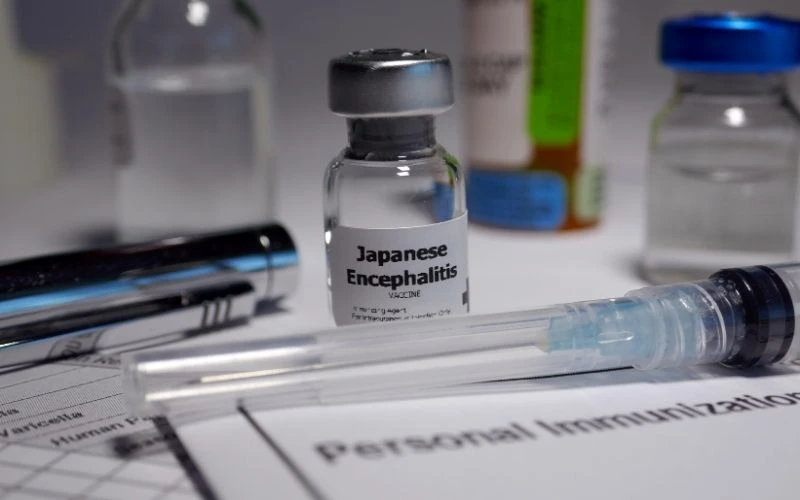
A dengue vaccine is now available in Indonesia. Qdenga (TAK-003), developed by Takeda, has been approved in a number of countries including Indonesia and is available at private hospitals and international clinics in Jakarta. Unlike earlier dengue vaccines, Qdenga does not require prior dengue infection before it can be safely administered. Speak to your doctor or a travel medicine clinic about whether vaccination is appropriate for you and your family. Availability, stock, and eligible age ranges should be confirmed locally, as these can vary.
Wear long sleeves and long pants and use insect repellents to help prevent mosquito bites. Prevention remains the most reliable protection.
Symptoms
Particularly in the first stages of illness, dengue fever is difficult — if not impossible — to clinically distinguish from many other causes of similar symptoms.
⚠️Important medication warning: If you suspect dengue fever, do not take ibuprofen, aspirin, or other non-steroidal anti-inflammatory drugs (NSAIDs). These medications thin the blood and can significantly worsen bleeding complications. Paracetamol (acetaminophen) is the recommended pain and fever reliever for dengue. Seek medical advice before taking any medication.
For adults, the infection typically progresses as follows:
Following an incubation period of 2–14 days, onset is usually abrupt, with chills, high fever, severe headaches, backaches, weakness, pain behind the eyes, and marked fatigue. Joint, muscle, and back pains can be severe — hence the old name “breakbone fever.” Fevers may reach 40°C (104°F), and heart rate and blood pressure often drop.
During the 2nd to 6th day of infection, nausea and vomiting may occur. The patient may also develop skin hypersensitivity, swollen lymph nodes, swelling in the palms, changes in taste, loss of appetite, constipation, or feelings of anxiety and depression.
Two to four days afterwards, a temporary improvement may occur — a sudden drop in body temperature and a period of feeling better over around 24 hours. This is often followed by a second rapid temperature rise and the appearance of a characteristic rash on the trunk, limbs, palms and soles. The skin in these areas turns bright red, may peel, and often blanches under pressure. Recovery is slow and convalescence can take several weeks. Bed rest, paracetamol, and appropriate pain relief as directed by your doctor are typically required.
Nosebleeds, red skin spots (petechiae), and purple skin spots or bruises (purpuric lesions) can occur at any stage of the disease, varying with age, sex, and dengue serotype. Bleeding from the gastrointestinal tract and excessive vaginal bleeding in menstruating women can also occur, though these do not present in the majority of cases.
⚠️When to seek emergency care immediately: Go to a hospital or clinic without delay if you or a family member experience any of the following — severe abdominal pain, persistent vomiting, bleeding from the gums or nose, blood in urine or stools, rapid breathing, cold or clammy skin, extreme fatigue or restlessness, or a sudden drop in fever accompanied by any of these signs. These may indicate dengue haemorrhagic fever or dengue shock syndrome, both of which require urgent medical attention.
For children, the infection progresses as follows:
Fever occurs in nearly all dengue infections in children. Other common symptoms include a red throat, mild runny nose, cough, and mild gastrointestinal symptoms — similar in presentation to pharyngitis, influenza, or an upper respiratory infection. The presentation of dengue in younger children is often less clear-cut than in adults, which can make early diagnosis more difficult.
The acute illness can last up to ten days, but complete recovery can take two to four weeks.
Confirming the Diagnosis
Diagnosis has improved significantly in recent years. The NS1 antigen rapid test is now widely available at clinics and hospitals across Jakarta and can provide a reliable result within the first few days of illness — often the same day. This test detects the dengue NS1 protein and is most accurate in the first 1–5 days of fever, making early testing genuinely worthwhile if dengue is suspected.
Additional indicators used to support a diagnosis of dengue fever include:
- Low white cell counts, as opposed to bacterial causes of fever
- The dengue blot test — note that this can produce both false positive and false negative results, particularly in the first week of illness
- A characteristic drop in platelet count
Definitive serological confirmation through paired antibody titre testing remains possible but is rarely needed in clinical practice in Jakarta today, given the availability of rapid NS1 testing. Your doctor will advise on the appropriate diagnostic pathway. Most reputable private hospitals and international clinics in Jakarta are well-equipped to diagnose and monitor dengue cases.
Dengue Haemorrhagic Fever (DHF) and Dengue Shock Syndrome (DSS)
A rare but serious complication of dengue fever, DHF occurs most often in small children and elderly adults. If DHF develops, it will usually do so by day 3–5 of infection.
The risk of DHF is considered higher in individuals who have previously been infected with a different dengue serotype. There are four dengue serotypes (DENV-1 through DENV-4), all of which circulate in Indonesia. A second infection with a different serotype appears to heighten the immune response in ways that can increase the risk of severe disease — which is one reason why dengue can paradoxically be more dangerous the second time around.
Uncontrolled bleeding distinguishes DHF from the fever accompanying an ordinary dengue infection. Bleeding can occur from the gums, nose, intestine, or under the skin as bruises or spots — particularly under a tourniquet. The liver is often enlarged. The fatality rate is approximately 5% in treated cases.
In children, the progression is not always characteristic. A relatively mild first phase — with abrupt onset of fever, malaise, vomiting, headache, poor appetite, and cough — may be followed 2–5 days later by sudden weakness and, in some cases, physical collapse. Spots may appear on the forehead, arms and legs, along with spontaneous bruising and bleeding from puncture sites. A seriously ill child may breathe rapidly and with visible effort; the pulse may be weak, rapid, and thready. Almost all DHF patients have a positive tourniquet test, where applying a blood pressure cuff causes petechiae or bruising to appear on the skin.
The WHO criteria for DHF include a platelet count below 100,000 and a haematocrit more than 20% above normal. Children meeting these criteria should be hospitalised immediately and managed for potential DSS. Treatment is primarily supportive — close monitoring, careful intravenous fluid replacement, and correction of electrolyte imbalances. Platelet transfusions are now generally reserved for cases involving active significant bleeding, rather than being administered routinely on platelet count alone. This reflects a shift in clinical practice over recent years; your treating physician will follow current protocols. Mortality from DHF and DSS ranges from 5–30% in untreated cases in Indonesia, with infants under one year of age at highest risk.
Treatment
There is no antiviral treatment for dengue. Management is supportive — rest, adequate hydration, and appropriate medication to control fever and pain. Paracetamol is the recommended medication for fever and pain relief. Aspirin, ibuprofen, and other NSAIDs must be avoided, as they increase the risk of bleeding. If you are unsure which medications are safe, consult a doctor before taking anything.
The only reliable way to prevent dengue fever is to avoid being bitten by daytime-biting mosquitoes. Personal protection measures, mosquito control around your home, and — where appropriate — vaccination are your primary tools.
Convalescence can take weeks, and bed rest and appropriate medication as directed by your doctor are required during recovery. An attack produces immunity for a year or more, but only against the specific serotype responsible for the initial illness — leaving you potentially vulnerable to the other three serotypes in subsequent years.
In an epidemic, the standard emergency control measure is the application of mosquito insecticide by vehicle-mounted or portable ultra-low-volume generators, typically deployed at minimum twice daily at ten-day intervals.
Preventive Measures Against Mosquitoes
All mosquito varieties breed in or near stagnant or slow-moving water. Given the role of mosquitoes in transmitting disease, controlling breeding sites near human habitation is critically important.
Community education and sustained participation are essential to eliminating mosquito breeding sites — mosquitoes typically fly less than one kilometre from where they hatched. Over 50 diseases can be transmitted by the bite of infected female mosquitoes, including malaria, dengue fever, Japanese B encephalitis, yellow fever, and a range of tropical fevers. Urban mosquitoes breed in any standing water — empty tin cans, old tyres, water-filled tyre tracks, coconut shells, and saucers under pot plants. Rural mosquitoes breed in rice paddies, stagnant ponds, and slow-moving streams.
Mosquito larvae can be reduced or eliminated by:
- Clearing the neighbourhood of ponds and pits
- Covering all water containers and removing objects that trap rainwater
- Filling in or draining areas of stagnant water, except for aerated swimming and ornamental pools
- Using larvicides or keeping larvae-eating fish in water that cannot be drained
- Installing mosquito screens on doors and windows, and mosquito netting over beds
- Changing the water in flowerpots once a week after thorough washing
- Avoiding indiscriminate use of residual and space insecticides, as overuse breeds resistance in mosquito populations. Do not allow the use of insecticides unless the possible risks have been clearly explained and understood.
Other personal protection measures include:
- Correct use of mosquito netting, which is essential if your living space is not air-conditioned. For added protection lasting up to three months, netting can be treated with permethrin solution. Pre-treated nets and ready-to-use permethrin products are widely available in Jakarta at pharmacies, supermarkets, and outdoor supply stores.
- Mosquito coils and knockdown sprays containing pyrethroids should be used in cool, dark areas where mosquitoes tend to congregate.
- Avoid dark-coloured clothing, perfumes, and colognes in the evenings, as these attract mosquitoes.
- Use an effective insect repellent on exposed skin and clothing. DEET (diethylmethylbenzamide) remains an effective and well-studied active ingredient. Choose a repellent with a DEET concentration of 30–45% for adults and apply as follows:
- Sparingly, and only to exposed skin
- Never apply high concentrations to skin
- Do not inhale or swallow repellent, or apply near eyes or mucous membranes
- Do not apply to hands that may touch eyes or mouth
- Do not apply to wounds, rashes, or abrasions
- Wash off with soap and water when moving indoors
- If skin begins to itch or burn, wash off immediately and seek medical advice
For children, lower concentrations of DEET are recommended — generally no more than 10–30% — and repellent should not be applied to the hands, face, or any broken skin. Picaridin-based repellents are a widely available and well-tolerated alternative to DEET, particularly for children and those with sensitive skin. Always follow the manufacturer’s age guidance.
DEET-based repellents typically remain effective for up to four hours.
Links for Additional Reading on Dengue Fever
This article is intended as general guidance only and is not a substitute for personalised medical advice. Consult a qualified medical professional for diagnosis and treatment.
Frequently Asked Questions About Dengue Fever in Indonesia
Is dengue fever common in Jakarta?
Yes. Dengue fever is one of the most common mosquito-borne illnesses in Jakarta and occurs throughout Indonesia. Cases are most frequent during and immediately after the rainy season (November to May), with a peak typically between March and May, but transmission occurs year-round.
What are the first signs of dengue fever?
The most common early symptoms are a sudden high fever, severe headache, pain behind the eyes, and significant muscle and joint pain. Nausea and a characteristic skin rash often follow within the first few days.
Is there a dengue fever vaccine available in Indonesia?
Yes. As of 2025, the Qdenga (TAK-003) vaccine is available at a number of private hospitals and international clinics in Jakarta. Unlike earlier vaccines, it does not require proof of prior dengue infection before administration. Speak to your doctor about whether it is appropriate for you and your family.
What medication should I take for dengue fever?
Paracetamol (acetaminophen) is the recommended medication for controlling fever and pain in dengue. Aspirin, ibuprofen, and other NSAIDs must be avoided as they can increase the risk of bleeding. Always consult a doctor if you suspect dengue.
When should I go to hospital with dengue fever?
Seek emergency medical attention immediately if you experience severe abdominal pain, persistent vomiting, bleeding from the gums or nose, blood in urine or stools, breathing difficulty, cold or clammy skin, or sudden extreme fatigue. These are warning signs of dengue haemorrhagic fever or dengue shock syndrome.
Can you get dengue fever more than once?
Yes. There are four dengue serotypes circulating in Indonesia. Recovery from one provides lasting immunity only against that specific serotype. Subsequent infection with a different serotype is possible and may carry a higher risk of serious complications.
How is dengue fever diagnosed in Indonesia?
Most private clinics and hospitals in Jakarta can diagnose dengue quickly using the NS1 antigen rapid test, which can return results within hours during the first few days of illness. A blood test showing low platelet and white cell counts will also support the diagnosis.
What is the best mosquito repellent for dengue prevention in Indonesia?
Repellents containing DEET (30–45% concentration for adults) are well-established and effective. Picaridin-based repellents are a good alternative, particularly for children. Apply to all exposed skin before going outdoors and reapply every three to four hours.
Our appreciation to Doctors Uwe Stocker and Rene de Jongh of International SOS, who contributed the original version of this article. Updated by the expat.or.id editorial team, June 2026.