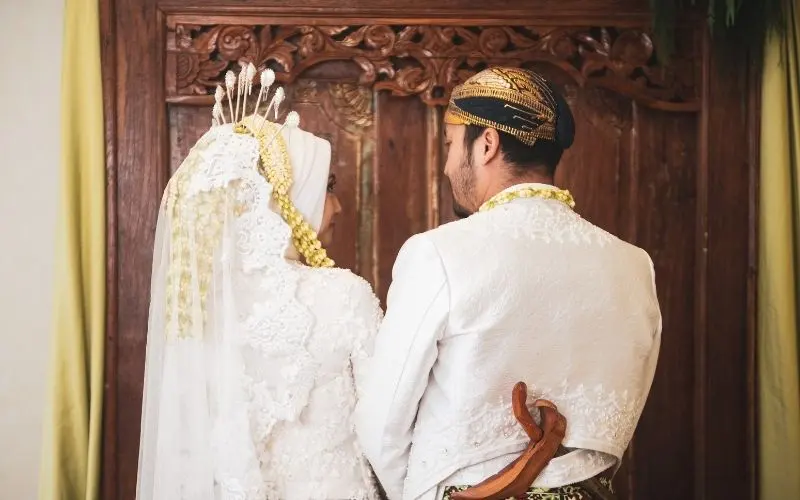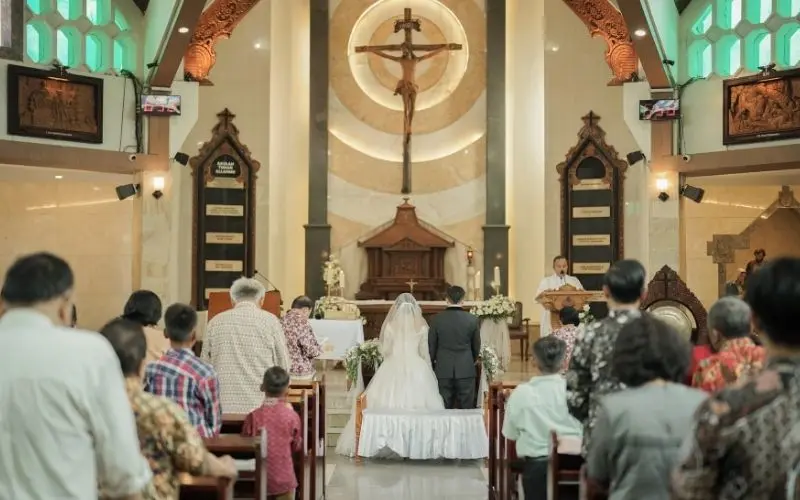


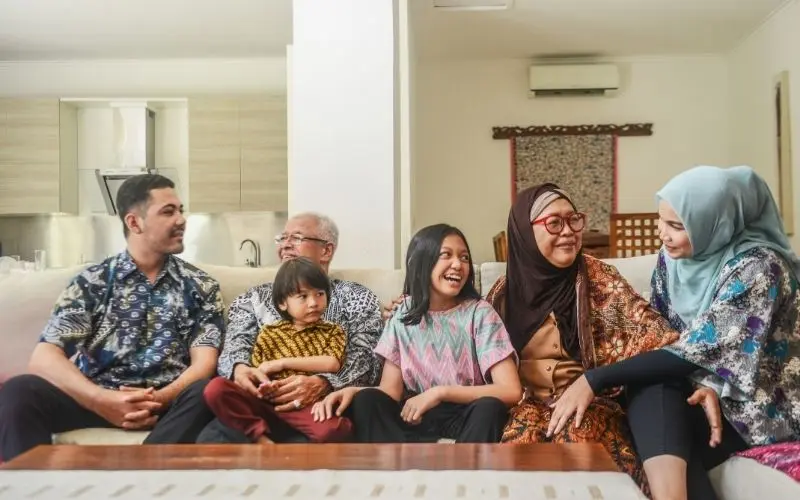
Indonesia’s family law system can appear complicated to expatriates because it is closely connected to both national legislation and religious practice. Marriage, divorce, and child custody matters are governed primarily by Marriage Law No. 1 of 1974, along with subsequent amendments and Constitutional Court rulings that have refined how the law is applied.
For expatriates living in Indonesia, or those planning to marry an Indonesian citizen, it is helpful to understand the basic framework of Indonesian family law. This overview is intended to explain the general principles and practical implications that expatriates commonly encounter.
Marriage in Indonesia
Marriage in Indonesia is regulated by Law No. 1 of 1974 concerning Marriage. Under this law, marriage is defined as a bond between a man and a woman intended to establish a happy and lasting family based on belief in God.
A distinctive feature of Indonesian marriage law is that marriages must be conducted according to one of the officially recognized religions in Indonesia. These include:
- Islam
- Protestant Christianity
- Catholicism
- Hinduism
- Buddhism
- Confucianism
Because of this requirement, couples who wish to marry in Indonesia must normally share the same religion. Mixed-religion marriages are generally not registered unless one partner converts so that the marriage can be performed according to a single recognized religion.
In 2019, Indonesia amended the marriage law to change the minimum age requirement for marriage. Previously the law permitted women to marry at age 16 and men at 19. Under Law No. 16 of 2019, the minimum legal marriage age is now 19 years old for both men and women.
Marriage registration depends on the religion of the couple. Muslim marriages are registered through the Office of Religious Affairs (Kantor Urusan Agama or KUA), while non-Muslim marriages are registered with the Civil Registry Office (Catatan Sipil). After the religious ceremony is conducted, the marriage must be formally registered with the appropriate office in order to obtain a legally recognized marriage certificate.
Marriage Between Indonesians and Foreigners (Mixed Marriages)
Mixed marriages between Indonesian citizens and foreign nationals are permitted under Indonesian law. However, such marriages can create legal consequences that expatriates should understand in advance.
One of the most important issues relates to property ownership.
Prenuptial and Post-Nuptial Agreements
Under Indonesian law, property acquired during marriage is generally considered joint marital property. This can create complications in mixed marriages because Indonesian land laws restrict foreigners from owning Hak Milik (freehold property).
If an Indonesian citizen marries a foreigner without an agreement separating assets, the Indonesian spouse may lose the legal ability to hold certain property rights. For this reason, couples entering a mixed marriage have traditionally been advised to sign a prenuptial agreement establishing separation of assets.
For many years Indonesian law required such agreements to be signed before the marriage took place. However, an important legal change occurred following Constitutional Court Decision No. 69/PUU-XIII/2015, which allows couples to establish post-nuptial agreements after the marriage has already taken place.
This decision made it possible for couples who did not previously sign a prenuptial agreement to later formalize the separation of assets through a notarized post-nuptial agreement.
Because property ownership, inheritance rights, and financial arrangements may be affected by marriage, expatriates and Indonesian partners are strongly advised to consult a qualified legal professional before entering into a mixed marriage.
Immigration Considerations for Foreign Spouses
Marriage to an Indonesian citizen may also have immigration implications for foreign spouses.
Foreign spouses may be eligible to apply for a spouse-sponsored KITAS (temporary residence permit). After meeting certain conditions and maintaining the marriage for a required period, many foreign spouses later qualify to apply for a KITAP (permanent residence permit).
Immigration policies and administrative procedures can change periodically, so couples should consult current immigration regulations or professional advisors to confirm the latest requirements.
Divorce in Indonesia
Divorce in Indonesia must be handled through the court system. A marriage cannot be dissolved simply by private agreement between the spouses.
The court responsible for handling divorce depends on the religion under which the marriage was conducted.
• Muslim marriages fall under the jurisdiction of the Religious Courts (Pengadilan Agama)• Non-Muslim marriages are handled by the District Courts (Pengadilan Negeri)
During divorce proceedings the court will consider issues such as the division of marital property, financial support, and the welfare of any children. Each case is considered individually and decisions may vary depending on the circumstances.
Immigration Status After Divorce
For foreigners living in Indonesia on a spouse-sponsored KITAS or KITAP, divorce may affect their immigration status.
If the foreign spouse holds a KITAS sponsored by their Indonesian partner, the permit is normally cancelled once the divorce becomes legally final. The foreigner must then obtain another valid residence permit or leave Indonesia. In practice, immigration offices normally allow a short period to arrange a new visa or sponsor.
Foreigners who hold a KITAP (Permanent Stay Permit) may have greater flexibility. If the marriage has lasted 10 years or more, the KITAP may remain valid after divorce. If the marriage lasted a shorter period, the foreigner normally needs to obtain a new sponsor or convert to another type of residence permit.

Former spouses who wish to remain in Indonesia, particularly when children are involved, may be able to stay by obtaining another immigration status. Common options include:
- a work-sponsored KITAS through an Indonesian employer
- an Investor KITAS if they own shares in an Indonesian company
- a retirement KITAS for foreigners aged 55 and over
- or a temporary visit visa while arranging a longer-term permit
Although having Indonesian children may be considered in practical situations, there is currently no automatic residence permit based solely on being the parent of an Indonesian child. The foreign parent must still maintain a valid immigration status under one of the existing visa categories.
Property Considerations After Divorce
Property ownership can also be affected by divorce in mixed marriages. Indonesian law generally prohibits foreigners from holding Hak Milik (freehold land title).
If a mixed marriage was entered without a prenuptial or post-nuptial agreement separating assets, property acquired during the marriage may be considered joint marital property. This can create legal complications because the involvement of a foreign spouse may prevent the Indonesian partner from legally holding certain property rights.
Property issues are often addressed during divorce proceedings, and the final outcome may depend on whether a prenuptial or post-nuptial agreement exists and how the assets were originally acquired.
If a property was originally owned solely by the Indonesian spouse before the marriage, it may remain their personal asset. However, if property was acquired during the marriage and considered joint marital property, the court may require that ownership arrangements comply with Indonesian land ownership laws.
A Common Misunderstanding About Property in Mixed Marriages
A common misunderstanding among expatriates is that marrying an Indonesian citizen allows a foreigner to own property in Indonesia through their spouse. In reality, Indonesian land laws still prohibit foreigners from holding Hak Milik (freehold title), even when married to an Indonesian citizen.
If a mixed marriage is entered without a prenuptial or post-nuptial agreement separating assets, the Indonesian spouse may lose the legal ability to hold certain types of property because the assets are considered jointly owned with a foreigner.
Property Financing and Bank Loans
Mixed-nationality couples sometimes ask whether banks in Indonesia will provide loans for property purchases or business investments. In practice, Indonesian banks may grant mortgages or business financing to foreign residents, but the loan structure usually depends on who legally owns the asset and who qualifies financially.
For residential property, loans are usually issued in the name of the Indonesian citizen who legally owns the property, since foreigners cannot hold freehold land title. Some banks may offer mortgage programs to foreign residents with valid stay permits such as KITAS or KITAP, but requirements are often stricter than for Indonesian citizens and may include higher down payments and proof of stable income.
Because property ownership rules and lending practices can vary between banks and may change over time, couples considering property purchases are advised to consult both a qualified notary and a banking professional before proceeding.
Children and Custody
Indonesian courts generally place strong emphasis on the welfare and best interests of the child when deciding custody matters.
In many cases involving young children, custody may be awarded to the mother, although this is not automatic and courts evaluate each case individually.
A significant legal development occurred following a 2010 Constitutional Court decision, which expanded the legal recognition of children born outside marriage. The ruling allows children to establish a legal civil relationship with their biological father if paternity can be proven through scientific evidence or other legal means.
This decision has implications for matters such as inheritance and parental responsibility.
Recognition of Foreign Marriages and Divorces
Marriages conducted abroad may be recognized in Indonesia if they were legally performed according to the laws of the country where the ceremony took place. However, when one spouse is an Indonesian citizen, the marriage usually needs to be reported and registered with Indonesian authorities.
Similarly, foreign divorce judgments may require additional administrative steps before they are recognized within Indonesia. Individuals facing these situations should seek legal advice to ensure that their marital status is properly recorded.
Frequently Asked Questions About Family Law in Indonesia
Can foreigners legally marry Indonesians?
Yes. Foreigners may marry Indonesian citizens provided that the marriage complies with Indonesian law, including the religious requirements and official registration procedures.
Do mixed marriages require a prenuptial agreement?
A prenuptial agreement separating assets is strongly recommended for mixed marriages because it can affect property ownership rights and financial arrangements.
Can foreigners own property through marriage in Indonesia?
Foreigners cannot directly own Hak Milik (freehold property) in Indonesia. Property ownership involving mixed marriages must follow Indonesian land ownership regulations.
Can a divorce obtained overseas be recognized in Indonesia?
Foreign divorces may be recognized, but they often need to be registered or acknowledged by Indonesian authorities if one spouse is an Indonesian citizen.
What happens to children after divorce?
Custody decisions are made by Indonesian courts and are based primarily on the best interests and welfare of the child.