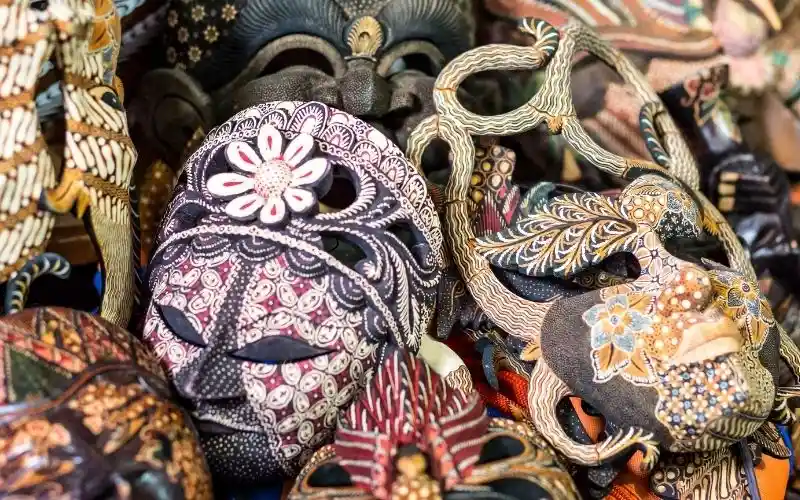


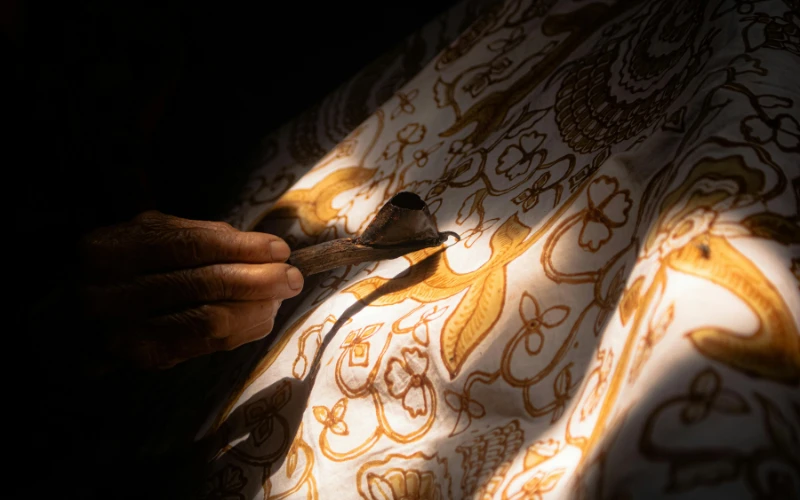
One of the most fascinating characteristics of Indonesian batik is the way its styles, motifs, and colors have evolved through centuries of cultural exchange. Throughout Indonesian history, contact with traders, immigrants, and colonial powers brought new artistic influences that became woven into local batik traditions. As a result, batik today reflects a unique blend of indigenous Indonesian culture with Hindu, Islamic, Chinese, Dutch, Arab, and Japanese influences.
In 2009, Indonesian batik was recognized by the UNESCO as an important part of the world’s cultural heritage, acknowledging both the artistic process and the cultural meanings embedded within batik designs.
Batik Kraton
Batik Kraton (Palace Batik) is regarded as the foundation of classical Javanese batik. Developed within the royal courts of Central Java, its motifs reflect the influence of Hindu-Buddhist kingdoms and later Islamic traditions.
The Hindus introduced symbols such as the sacred bird Garuda, the lotus flower, dragons (Naga), and the Tree of Life. Islamic influence encouraged the use of stylized floral and geometric designs, as realistic depictions of humans and animals were generally discouraged.
As a specific attire within the royal courts, Batik Kraton developed into several distinct traditions:
- Batik Kasunanan Surakarta
- Batik Kasultanan Yogyakarta
- Batik Pura Mangkunegaran
- Batik Pura Pakualaman
These court styles are traditionally characterized by refined patterns and restrained color palettes dominated by indigo, cream, black, and soga brown.
Important Kraton Motifs
Several of Indonesia’s most famous batik motifs originated in the royal courts:
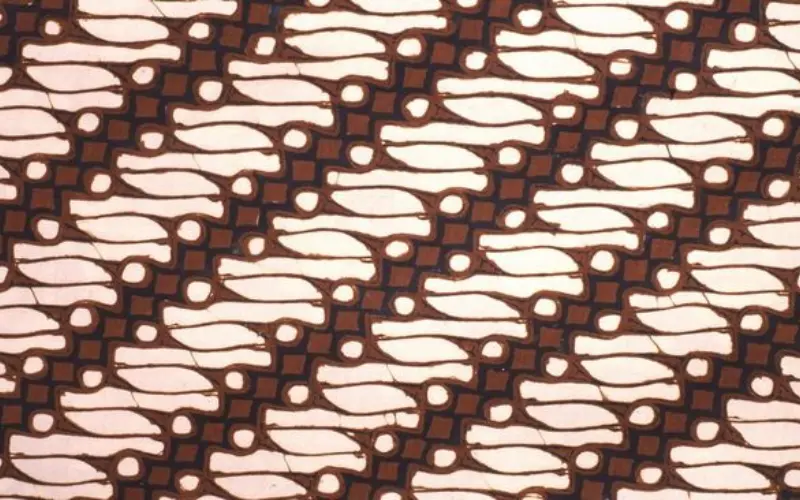
Parang
One of the oldest and most respected batik motifs, Parang consists of diagonal knife-like patterns symbolizing strength, determination, and continuity. Historically, some Parang patterns could only be worn by royalty.
Kawung
Featuring a repeating pattern resembling the cross-section of a sugar palm fruit, Kawung symbolizes purity, honesty, and self-control. It remains one of the most recognizable classical batik designs.
Truntum
Created according to Javanese legend by a queen seeking to regain her husband’s affection, Truntum symbolizes eternal love, guidance, and devotion. It is commonly worn by parents during traditional Javanese weddings.
Semen
Semen motifs incorporate plants, mountains, animals, and symbols of fertility, representing prosperity and harmony with nature.
Batik Belanda
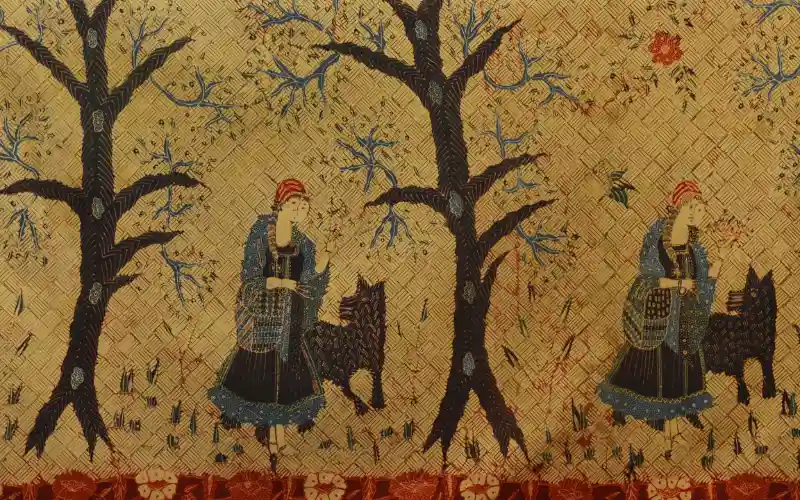
Although Chinese traders arrived in Java long before Europeans, Dutch influence created one of the most distinctive periods in batik history.
Batik Belanda (Dutch Batik) emerged in the mid-19th century, particularly in the coastal regions of Java. European women living in the Dutch East Indies established batik workshops and introduced themes inspired by European art, fairy tales, flowers, and daily colonial life.
The most famous designers included:
- Eliza Charlotte van Zuylen
- Catharina Carolina van Oosterom
- Carolina Josephina von Franquemont
- Lies Metzlar
- A.J.F. Yans
- Coenrad of Pacitan
Dutch batik often featured softer colors and highly detailed narrative scenes unlike traditional Javanese court batik.
Batik Cina
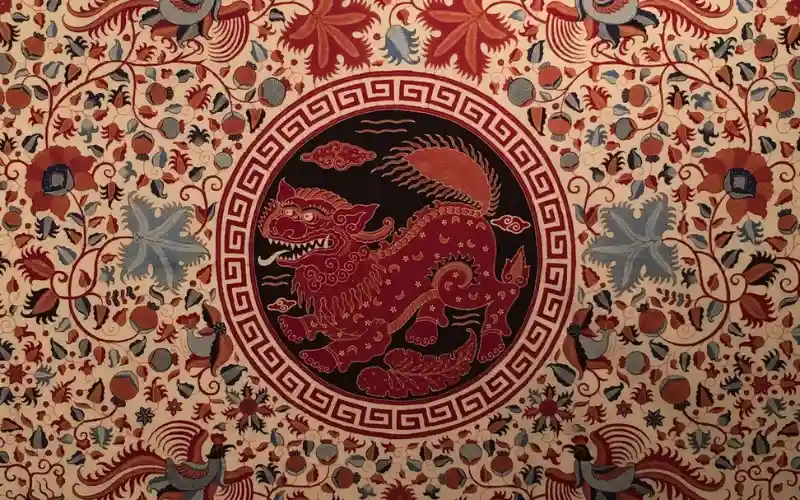
Chinese communities played a major role in the development of batik along Java’s northern coast.
Chinese influence is visible in motifs featuring:
- Dragons
- Phoenixes
- Lions
- Butterflies
- Peonies
- Lotus flowers
- Decorative cloud patterns
Chinese batik makers also introduced brighter color palettes, including pinks, reds, yellows, greens, and pastel shades that contrasted with the earthier tones of Central Java.
Some of the most famous Chinese-Indonesian batik workshops operated in Pekalongan, Cirebon, Kudus, and Demak.
Batik Dua Negeri and Batik Tiga Negeri
Among the most prized batik textiles are Batik Dua Negeri (“Two Regions”) and Batik Tiga Negeri (“Three Regions”), in which different stages of the dyeing process were completed in separate cities, combining the distinctive color traditions of multiple batik centers into a single cloth.
Batik Hokokai
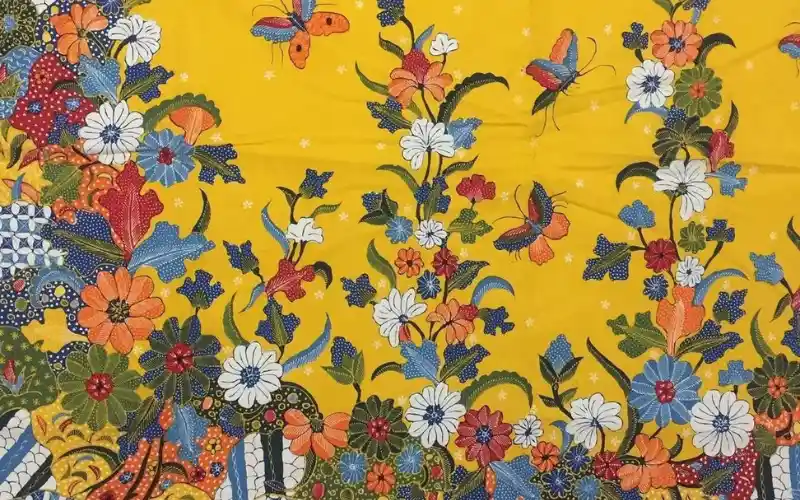
Batik Hokokai developed during the Japanese occupation of Indonesia (1942–1945).

Created primarily for the Japanese market, these textiles are renowned for their extraordinary detail and technical sophistication. Japanese influence can be seen in motifs featuring:
- Cherry blossoms
- Chrysanthemums
- Butterflies
- Fans
- Traditional Japanese floral arrangements
Many Hokokai pieces used the “Pagi-Sore” (Morning-Evening) format, where each half of the cloth featured a different design, effectively allowing one garment to serve two occasions.
Today, original Hokokai batik is highly sought after by collectors.
Batik Indonesia
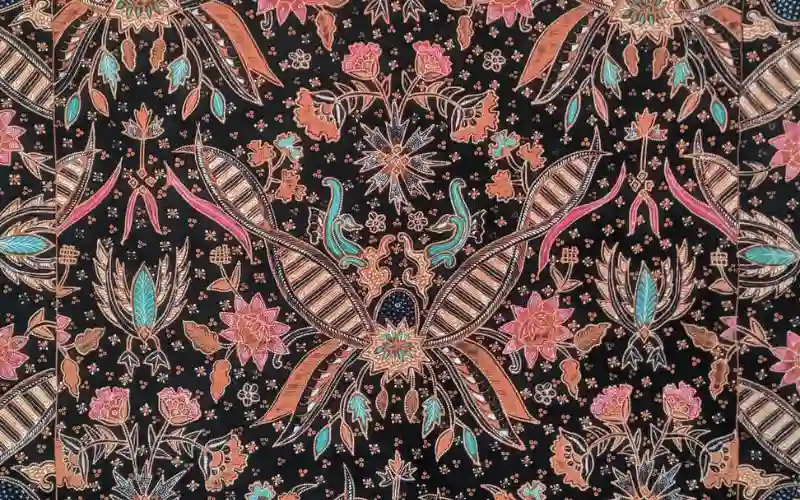
Following Indonesian independence, President Sukarno encouraged the development of a national batik style that would unite regional traditions.
Known as Batik Indonesia or Batik Modern, this movement combined elements from:
- Yogyakarta batik
- Surakarta batik
- Coastal batik traditions
Designers experimented with brighter colors and contemporary motifs while maintaining traditional production techniques.
Popular modern motifs included:
- Cendrawasih (Bird of Paradise)
- Sruni flowers
- Shrimp and marine life
- Agricultural themes
- National development symbols
Batik Sudagaran
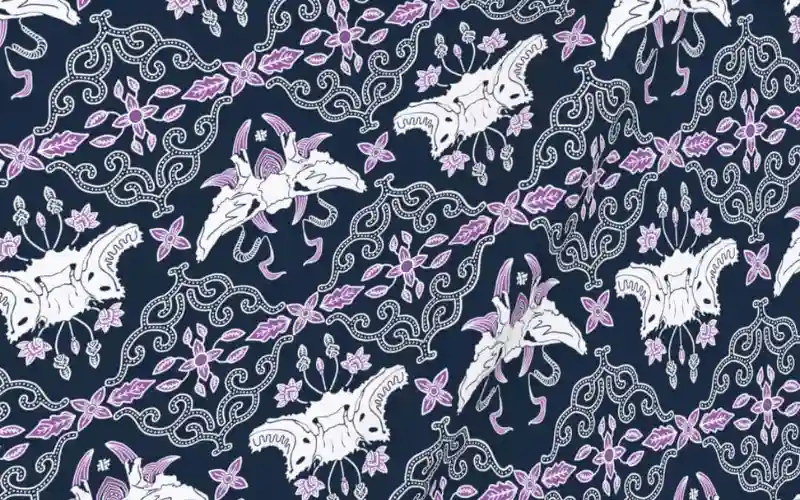
Batik Sudagaran emerged during the late 19th century among wealthy batik merchants (sudagar) who wished to distinguish themselves from strict palace traditions.
While inspired by royal motifs, Sudagaran batik introduced greater creativity and decorative complexity. Popular examples include:
- Tambal (patchwork designs)
- Modified Parang patterns
- Ukel spiral motifs
- Highly detailed Semen patterns
This style represents the transition of batik from an exclusive court tradition into a broader commercial art form.

Batik Pesisir
Batik Pesisir refers to batik produced along Java’s northern coast, particularly in:
- Pekalongan
- Cirebon
- Lasem
- Tuban
- Indramayu
Because these ports welcomed traders from China, Arabia, India, and Europe, coastal batik tends to be more colorful and experimental than court batik.
Common motifs include:
- Flowers
- Birds
- Ships
- Marine life
- Clouds
- Foreign decorative elements
One of the most famous Pesisir designs is the Mega Mendung motif from Cirebon.
Mega Mendung
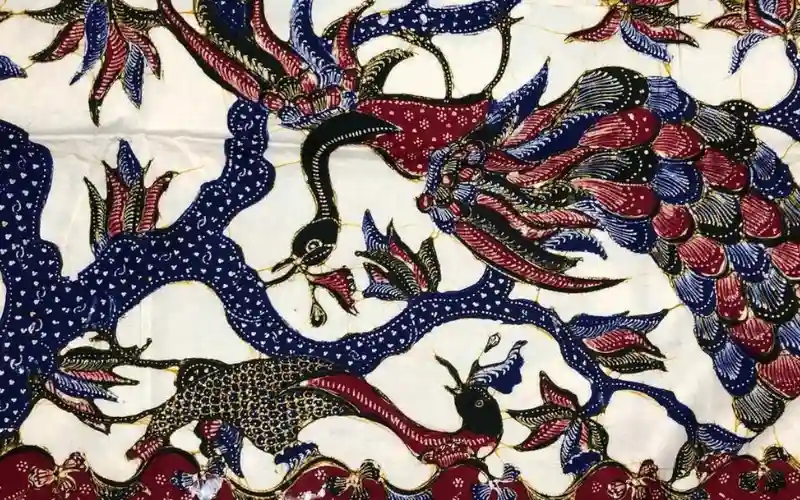
Mega Mendung (“Cloud of the Sky”) is perhaps the most recognizable batik motif from West Java. Influenced by Chinese cloud imagery, it features layered cloud formations symbolizing patience, calmness, and protection.
Today, Mega Mendung is widely regarded as one of Indonesia’s national batik treasures.
Batik Beyond Java
Although Java remains the center of Indonesia’s batik tradition, many regions have developed distinctive styles of their own.
Batik Lasem
Often called the “Little China of Java,” Lasem batik is famous for its vibrant reds and strong Chinese influence.
Batik Madura
Produced on Madura Island, these textiles are known for their bold colors and energetic patterns.
Batik Bali
Balinese batik often incorporates local themes such as temple architecture, dancers, mythical creatures, and tropical plants.
Batik Kalimantan and Papua
More recent developments in Indonesian batik include motifs inspired by Dayak and Papuan culture, incorporating indigenous symbols, traditional carvings, birds, and local flora.
Batik as a Language of Symbols
Traditionally, batik was never merely decorative. Specific motifs often conveyed messages about status, values, life stages, and cultural identity. Certain designs were once reserved exclusively for royalty, while others were associated with weddings, births, or ceremonial occasions.
Today, Indonesian batik continues to evolve while preserving its deep cultural roots. Whether worn in business settings, formal ceremonies, or everyday life, batik remains one of Indonesia’s most important artistic and cultural expressions.
This article was developed from information provided by Batik Danar Hadi and supplemented with additional historical and cultural context.