


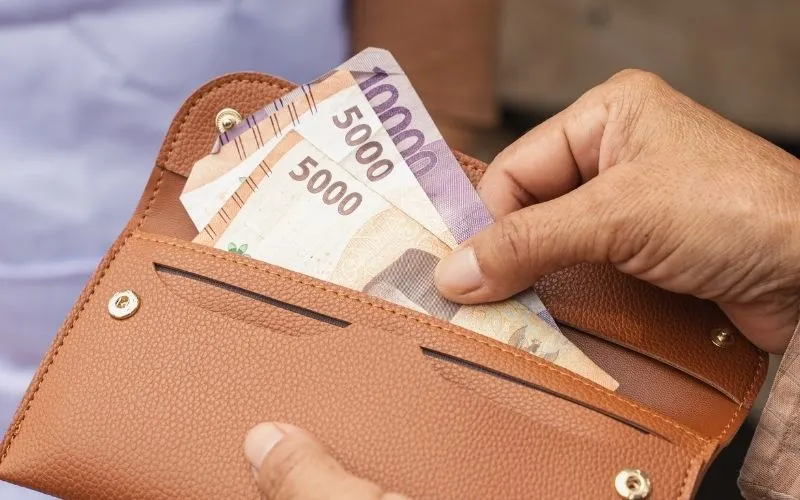
While tipping is common in the United States and many Western countries, Tipping Culture in Indonesia is generally more flexible and less formal. In Indonesia, tipping is not usually seen as a strict obligation. Instead, it is treated as a personal gesture of appreciation when someone provides good service.
Some believe that the word “tips” comes from the phrase “To Insure Prompt Service”, though the accuracy of this claim is debated. Regardless of its origin, tipping in Indonesia is best understood as a voluntary act based on satisfaction with service.
Many newly arrived expats tend to tip at higher rates initially. Over time, they gain a better understanding of:
- Local salary levels
- Which services typically expect tips
- The difference between a tip and informal payments
Everyday Situations Where Tips Are Expected
In Indonesia, tipping is not standardized, but there are certain situations where it is commonly expected or appreciated.
These often include service roles such as:
- Waiters and restaurant staff
- Taxi drivers and private drivers
- Salon and spa workers
- Hotel staff (bellboys, housekeeping)
- A repair person that comes to your home
In addition, expats will frequently encounter informal “helpers” in public places. These may include individuals who:
- Guide you into parking spaces
- Help direct traffic
- Offer to carry bags or provide assistance in markets
Even if their help is not requested, these individuals will often expect a small tip (typically Rp 1,000–5,000).
How to Decide How Much to Tip
When tipping in Indonesia, there is no fixed percentage system. Instead, consider the following:
Quality of Service
Better service generally warrants a higher tip.
Value of the Tip to the Recipient
What may seem like a small amount to an expat can be meaningful to a local worker.
Your Relationship
If you regularly use the same driver, salon staff, or service provider, tipping can help build a positive ongoing relationship.
Service Charges in Restaurants and Hotels
In many restaurants, hotels, and cafés in Indonesia, a service charge (usually 5–10%) is already included in the bill, along with government tax (10–11%). The menu ma reflet this as a + + symbol after the price.

If a service charge is included:
- Additional tipping is not required
- However, a small extra tip is appreciated for excellent service
If you want the tip to go directly to the person who served you, it is best to hand it to them personally. If left on the table or in the bill folder, it may be collected by another staff member.
Why Tipping Matters
Although Tipping Culture in Indonesia is not as formal as in many Western countries, small tips can still make a meaningful difference. Wages in some service sectors can be relatively modest, so a thoughtful tip is often appreciated as an extra gesture of support.
At the same time, tipping can help:
- Build goodwill
- Encourage better service
- Smooth everyday interactions
Typical Tipping Amounts in Indonesia (2026)

The following figures reflect common tipping practices among expats and locals in major cities:
Salon and Personal Care
- Stylist: Rp 50,000 – 100,000
- Colorist: Rp 50,000 – 100,000
- Shampoo assistant: Rp 10,000 – 20,000
Spa Services
- Manicure/Pedicure: Rp 20,000 – 50,000
- Massage (1 hour): Rp 30,000 – 100,000
- Facial/Cream bath: Rp 20,000 – 50,000
Transportation and Hotels
- Taxi drivers: Round up fare or add Rp 5,000 – 10,000
- Private drivers: Rp 50,000 – 100,000 per day
- Bellboys: Rp 10,000 – 20,000 per bag
- Housekeeping: Rp 10,000 – 20,000 per night
Leisure Services
- Golf caddy: Rp 100,000 – 150,000
- Locker room attendant: Rp 10,000 – 20,000
- Tennis ball boys: approx. Rp 10,000 – 50,000 per session
Informal Services
Parking attendants / traffic helpers: Rp 1,000 – 5,000
Tip vs. Informal Payments (“Uang Rokok”)
It is important to distinguish between a tip and what is sometimes referred to locally as “uang rokok” (cigarette money).
- A tip is voluntary and based on service
- “Uang rokok” may feel expected in certain informal situations
While small amounts are generally acceptable, expats should be mindful not to overpay, as this can unintentionally raise expectations.
Practical Tips for Expats
For expats, navigating Tipping Culture in Indonesia becomes easier once you understand that tipping is appreciated, but not mandatory.
- Carry small denominations (Rp 1,000 – 20,000 notes)
- Tip discreetly and directly
- Do not feel obligated—tipping is appreciated, not mandatory
- Observe local behavior to guide your decisions
Final Thoughts
Tipping Culture in Indonesia is flexible, situational, and not bound by strict rules. Instead of following fixed percentages, it is better to use common sense, cultural awareness, and genuine appreciation for good service.
A small tip is often welcomed, especially when someone goes out of their way to help. For expats, understanding when and how much to tip can make daily interactions feel smoother and more respectful. In many cases, even a modest gesture can help build positive relationships during your time in Indonesia.