


For many Indonesians, bargaining is a way of life and getting a fair or cheap price is regarded as a challenge. Sometimes vendors name a price based on the customer’s perceived ability to pay, rather than the usual cost of the item. This makes it more difficult for foreigners, who will usually be quoted a higher price. Some people consider bargaining to be time-consuming and frustrating, but it is also a game and, if you know the rules, it can be fun.
For many Indonesians, bargaining is not only about price, but also about interaction. A friendly attitude, patience, and a sense of humor will often lead to a better outcome than aggressive negotiation. Maintaining a positive interaction helps both parties save face, which is an important part of Indonesian culture.
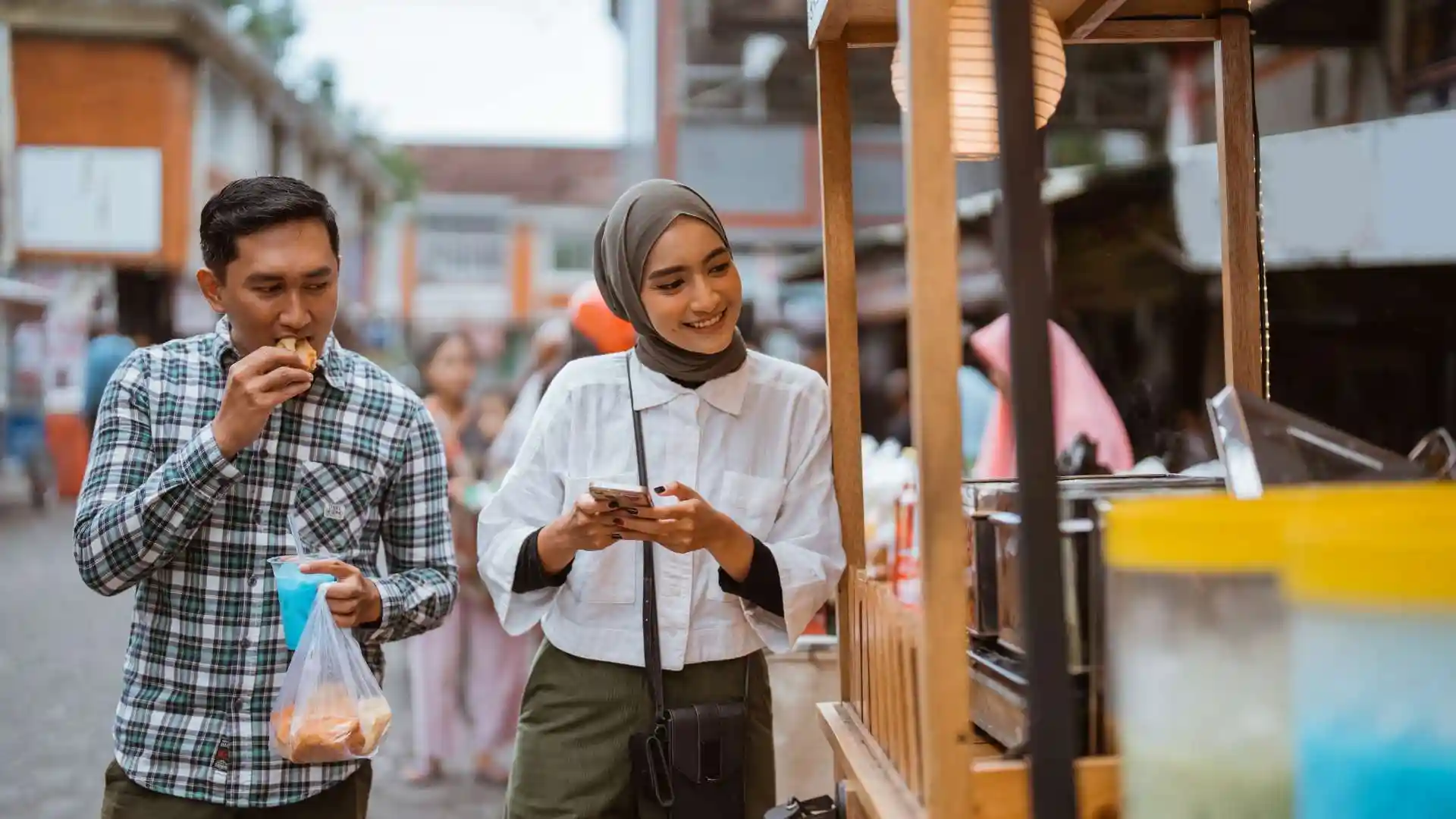
Do not try to bargain in shopping malls and stores with fixed prices. You are expected to bargain in road-side stalls, such as those selling plants and flowers, traditional markets and tourist areas such as Jalan Surabaya, and the various “antique” shops on Jalan Ciputat Raya and Jalan Kemang Timur, or in the Puncak area.
In modern urban Indonesia, fixed pricing is now common in shopping malls, supermarkets, convenience stores, and most branded retail outlets. Bargaining is generally not expected in these environments.
Bargaining is also less common in online marketplaces such as Tokopedia, Shopee, or Lazada, where prices are usually fixed. However, in informal transactions conducted through WhatsApp or Instagram sellers, there may still be some room for negotiation, particularly when purchasing multiple items.
In some shops, particularly in “tourist areas”, you will immediately be offered a discount or “special price”, because you are the first or last customer of the day or to encourage you to come again. This is an indication that the vendor is open to bargaining.
Do not commence bargaining if you have no intention of purchasing – this is considered bad form.
It helps a lot if you have some knowledge of the item’s actual price. Do some surveying first at fixed price stores or ask friends what they paid for certain items that you are interested in. This will give you confidence and help you avoid overpaying.
To start the bargaining process, first ask the vendor the price of the item that you are interested in. Then ask if the price can be reduced (Boleh kurang?). If the answer is “Yes” (Boleh) or “Yes, a little” (Boleh, sedikit), you begin negotiations.
Using even a few words of Bahasa Indonesia will often create goodwill and may lead to a better price.
As a general rule, you can begin by offering significantly less than the asking price, with both sides making counter offers until a mutually acceptable price is reached. In many cases, the final price may settle somewhere between one half to two thirds of the initial asking price, although this can vary depending on the item and location.
In some traditional markets the prices offered are already low and vendors may take offense at a very low first price offer, therefore you should only ask for a discount (Minta diskon). Normally this is obvious from the reaction of the vendor when you offer the price you are willing to pay.
If you are purchasing more than one item you should be able to negotiate a better deal.
Even though you really like something, try to keep calm and poker faced, as the vendor will stick to his higher price if he thinks you will pay it.
• If, after some negotiations, you consider that the vendor’s price is still too high, you can leave the shop or stall and move on to the next, which will probably be offering similar items. This often does the trick and the vendor will call out or rush after you accepting your last offered price. This sometimes still happens, although in busier or more competitive markets vendors may not follow, especially if margins are already low.

If this does not happen, you know that your price was still too low and the vendor would have suffered a loss or he is not willing to sell for that price. Normally if there are a lot of vendors selling the same item in the area, they have to reduce their profit margin and the amount of leeway they have for negotiation is limited. Within visiting 2 or 3 stalls selling the same item, you will have a pretty good idea of its actual cost.
When you and the vendor have agreed on the price, it will be expected that you complete the purchase.
Backing out after agreeing on a price is considered disrespectful and may cause the vendor to lose face.
Build up a relationship with a vendor at a store where you shop frequently. You can remind the vendor that you have shopped there previously and as he recognizes you his first price will become lower.
In many markets and small shops, cash is still preferred, although digital payments using QRIS are increasingly accepted in urban areas. Having small denominations of cash can make bargaining and payment smoother.
In shops that allow bargaining, you should be aware that it is unlikely that you would be able to get a refund or after-sales service.
Bargaining is a skill that can be developed with practice and you will be proud of the “bargains” you have acquired. There will be times when you discover later that you paid too much and could have gotten the item cheaper somewhere else. But, in general, prices are very affordable, and the experience of bargaining can be enjoyable.
Patience and good humor are vital for successful bargaining. If you are not in the mood for bargaining, then shop in stores where prices are fixed.
Enjoy your bargaining experiences in Indonesia!
Frequently Asked Questions About Bargaining in Indonesia
Is bargaining expected in Indonesia?
Bargaining is expected in traditional markets, street stalls, and many tourist areas. It is not expected in malls, supermarkets, or branded retail stores where prices are fixed.
Is it rude to bargain in Indonesia?
No, bargaining is part of everyday life. However, it should be done politely and with a friendly attitude. Being overly aggressive can be seen as disrespectful.
How much should I bargain in Indonesia?
It depends on the situation, but many people start by offering 50 percent or less of the asking price and negotiate toward a middle ground.
Can I bargain as a foreigner?
Yes, foreigners are expected to bargain in appropriate settings. In fact, vendors often expect it and may quote higher initial prices accordingly.
Do Indonesians bargain online?
In most formal online marketplaces, prices are fixed. However, informal sellers using social media or messaging platforms may still be open to negotiation.